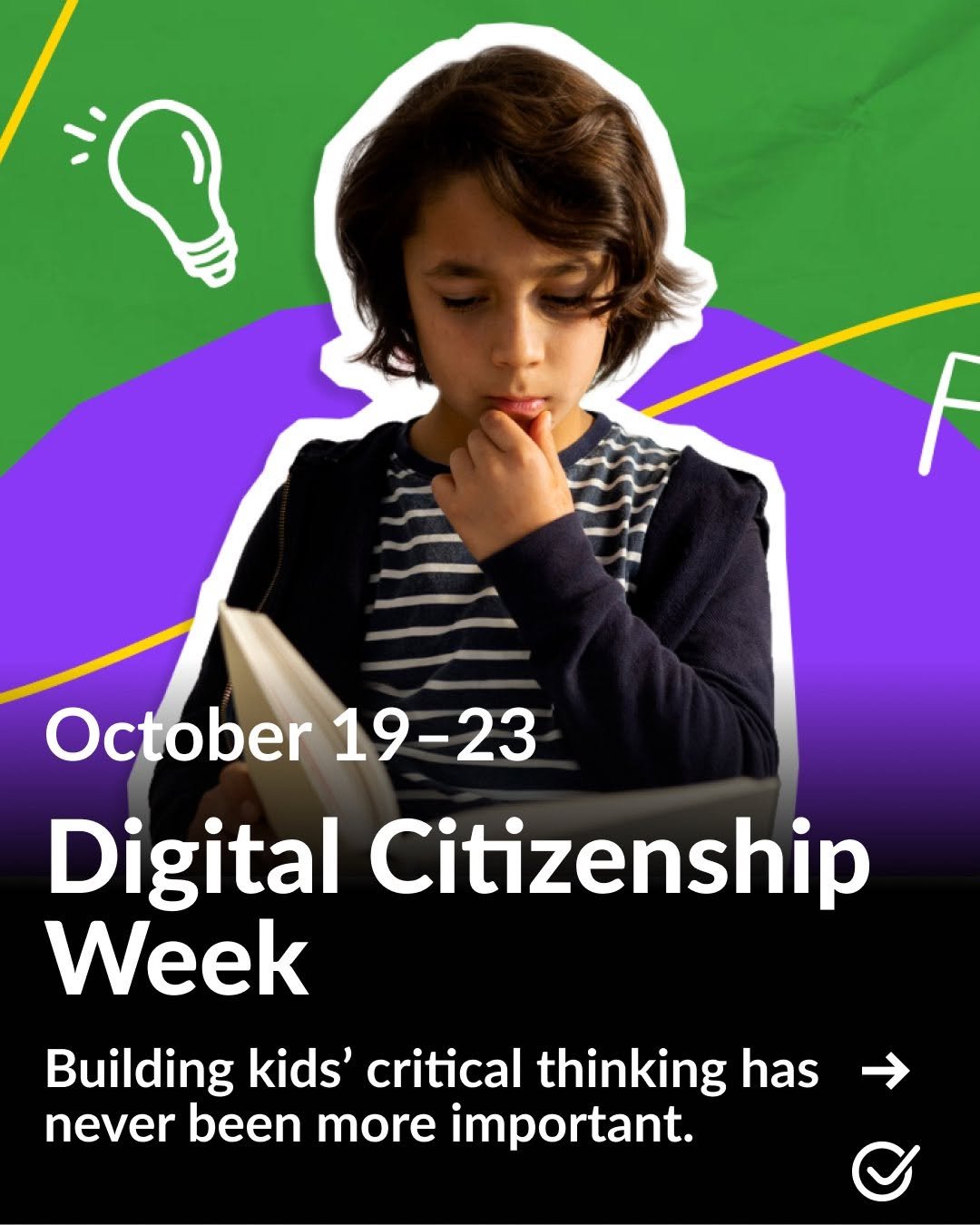
Disconnect to Reconnect – Digital Citizenship Week is October 19-23
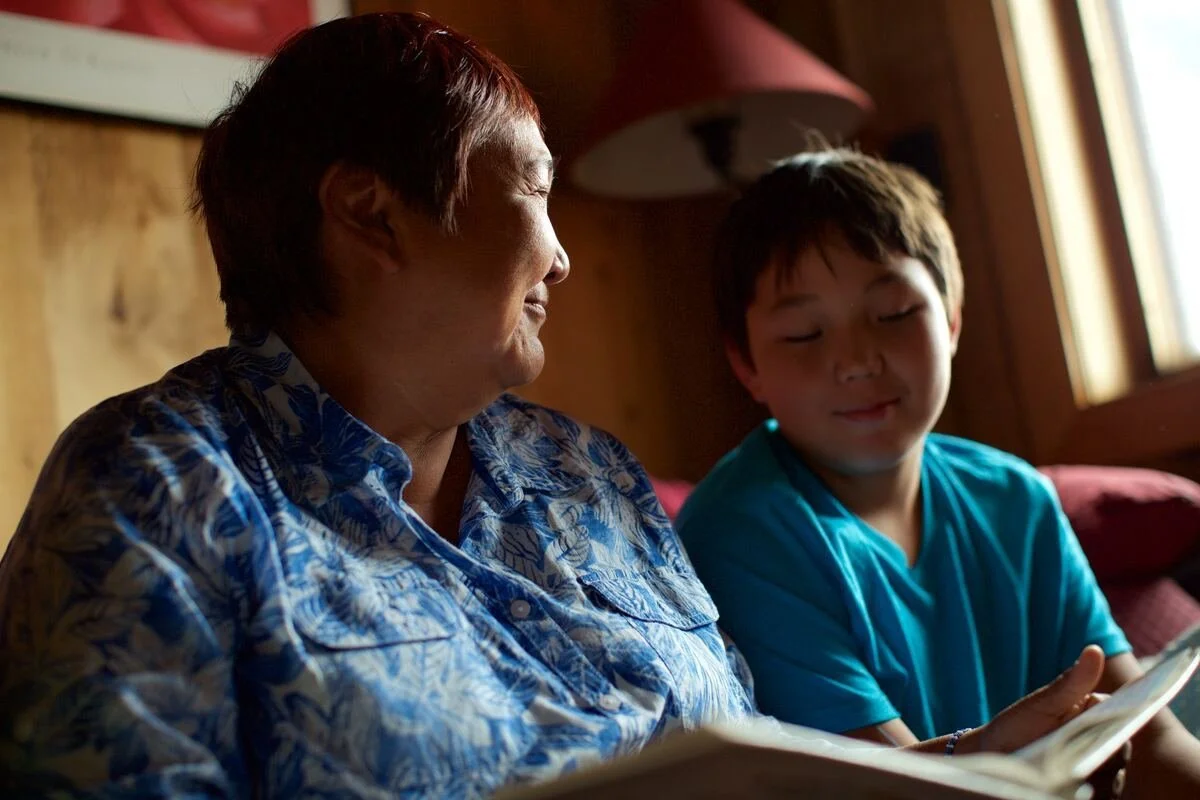
Disconnect to reconnect with a child in your life.
As a young adult, I have watched technology change dramatically within my lifetime. The internet I grew up with looks very different from the one children and adolescents experience today. I feel the COVID-19 pandemic accelerated that change, making online platforms and social media an even larger part of young people’s lives.
Through my experiences working with children and youth, I have seen some of the challenges that can come with that shift. So much communication, entertainment, learning, and creativity now happens through a screen. At times, this can make it harder to practice communicating with peers, regulating emotions, or expressing ourselves creatively without technology.
I also recognize that I am not immune to these challenges. Sometimes I find myself consumed and need to leave my phone in another room and walk away. I think the practice of evaluating my relationship with technology is crucial, frequently checking in on how it is serving – or detracting from – my life.
During Digital Citizenship Week, October 19–23, the Alaska Children’s Trust’s team and I invite you to join us! Families, educators, caregivers, and communities, let’s think about our relationship with technology. Not because technology is inherently bad, but because how we use it matters.
“Digital citizenship is not only something we teach children. Parents and caregivers are important role models, but so are teachers, afterschool professionals, childcare providers, mentors, coaches, family members, and other trusted adults. We all have a role in helping young people navigate the digital world.”
What Does It Mean to Be a Digital Citizen?
Digital citizenship is about how we participate in a community, treat others, and take responsibility for the spaces we share. Our actions online have real impacts, even when they do not happen face-to-face. Being a good digital citizen means bringing the same values online that we want to see offline: empathy, compassion, respect, communication, and accountability.
It means thinking before we post, comment, or share; recognizing unhealthy relationships and boundaries; knowing when something online makes us uncomfortable; and ensuring kids understand that it is okay, and a sign of strength, to ask a trusted adult for help.
It also means recognizing that the internet can be used for good. Social media can help us stay connected, find community, and learn about issues happening around us. At the same time, with AI-generated content, misinformation, and an endless stream of content competing for our attention, critical thinking is more important than ever. The goal is not to tell young people to stay away from technology. It is to help them use it thoughtfully and responsibly.
Adults Are Digital Citizens, Too
Digital citizenship is not only something we teach children. Parents and caregivers are important role models, but so are teachers, afterschool professionals, childcare providers, mentors, coaches, family members, and other trusted adults. We all have a role in helping young people navigate the digital world.
One of the simplest things we can do is show genuine interest. Ask a child what they are watching, what games they are playing, or what they like about an app. We do not have to be experts in every new app or trend. Sometimes, letting a child teach us can be the best way to start a conversation. Keeping children safe online requires more than simply setting rules. We need adults who are willing to pay attention, ask questions, and create an environment where children feel comfortable sharing what they encounter.
Those conversations should begin with curiosity, not fear or punishment. You can start by asking questions like, “What did you see?” “What do you think about it?” “How did that make you feel?” When children know they can go to a trusted adult without immediately being judged, they may be more willing to speak up if something goes wrong.
The Power of Unplugging
There is another side of digital citizenship that we sometimes overlook: knowing when to disconnect.
Social media is called social media, but how often are we using it to actually interact with others? Sometimes we are simply scrolling, liking, and consuming content without truly connecting with another person. Young people are also constantly exposed to trends, advertisements, influencers, and comparisons about what they should look like, have, or accomplish.
Adults experience this too. When I moved to Alaska recently, I became more aware of my own digital habits. I met new people and learned so much through those interactions, and I wanted to make sure I was not automatically reaching for my phone instead of getting to know the people around me. It can be difficult to stay connected with loved ones back home while also being present with the people and experiences right in front of us. For me, that has meant using social media more intentionally for connection rather than passive scrolling.
Children notice what the adults around them do, too. If we want young people to learn how to put their devices down, we must practice that ourselves. Technology should be a tool that helps us, not something that consumes us. Model positive behaviors like no phones at dinnertime, making space for conversation during car rides, and
checking your screen time in front of your child to show that you’re aware of your own habits.
Disconnect to Reconnect
Unplugging does not mean getting rid of technology. It simply means making room for the things that happen offline.
In Alaska, October can be a great time to find something new to do together. Visit a local museum or library. Try a new recipe. Learn a card or board game. Make art. Take a walk. Visit somewhere you have never been. Spend an afternoon talking with someone without a phone sitting between you. There are also plenty of opportunities to get out and connect this fall, including:
October 18: Alaska Day Festival in Sitka
October 19: AKtive Soles Happy Run in Wasilla
October 20: Fairbanks Chess Club at Noel Wien Library
October 21: Mahjong at Douglas Public Library
October 23: Free Halloween Skate at Treadwell Ice Arena
October 24: Trick or Treat Street in Downtown Anchorage, Boo at the Alaska Zoo, and the Kids Halloween Train on the Alaska Railroad
This Digital Citizenship Week, Let’s Try It Together
During October 19–23, I encourage families, educators, caregivers, and community members to think about their relationship with technology.
Ask a child or young person in your life:
What do you like doing online?
What apps, games, or videos do you enjoy?
Have you ever seen something online that made you uncomfortable?
What do you think makes someone a good digital citizen?
What is something we could do together without our phones?
Be mindful to put the phones away and connect in real life over a meal, book, game, conversation, or community activity.
Keep talking. Practice the empathy, respect, and responsibility online that we value offline. Sometimes, good digital citizenship means knowing when to disconnect.
This Digital Citizenship Week, let’s disconnect to reconnect.
For more information on internet safety:
ACT Conversation Cards: www.alaskachildrenstrust.org/online-safety/#cards: These conversation cards can help parents, caregivers, and trusted adults navigate age-appropriate conversations with children about online safety, technology, and healthy digital habits.
Online Safety Comic for Kids: www.alaskachildrenstrust.org/online-safety#k-9-sunny: An engaging kid-friendly comic featuring K-9 Sunny that teaches children practical ways to stay safe and make positive choices while using the internet.
Digital Citizenship Lessons: www.commonsense.org/education/digital-citizenship: Common Sense Education’s collection of lessons and activities help children and young people build healthy, responsible, and informed digital citizenship skills.
Internet Safety Tip Sheets: www.missingkids.org/netsmartz/resources: This NetSmartz tip sheet provides practical guidance for children, parents, caregivers, and educators on recognizing and responding to common online safety risks.