Medicaid Isn’t a Line Item - It’s a Lifeline for Families

Trevor Storrs is the president and CEO of Alaska Children’s Trust
Let’s take a moment to recognize something that quietly makes a major difference in the lives of Alaska’s children and families — Medicaid. For thousands of Alaska families, Medicaid isn't just a program. It is a cornerstone that ensures access to the care, supports, and resources needed to thrive. It means that when a baby is born, care is available. It means that when a child gets sick, they can see a doctor. It means families, no matter where they live in Alaska, aren't one medical emergency away from crisis.
In Alaska, Medicaid is a foundational part of how we care for children and families. Roughly one in three children in Alaska rely on Denali KidCare for their health care coverage, and about 40 percent of births in our state are covered by Medicaid. Children make up the largest group of Medicaid enrollees in Alaska — representing 41 percent of all covered individuals — and Medicaid and its children’s health insurance program, Denali KidCare, covers preventive checkups, immunizations, behavioral health care, developmental screenings, and treatment when kids are sick or injured. That percentage is even higher in rural communities. Without Medicaid, access to prenatal care, pediatric visits, and basic health services becomes not just difficult, but impossible.
“When Medicaid works well, it ensures that babies are born healthy, children receive early care, and families can access the support they need without falling into crisis.”
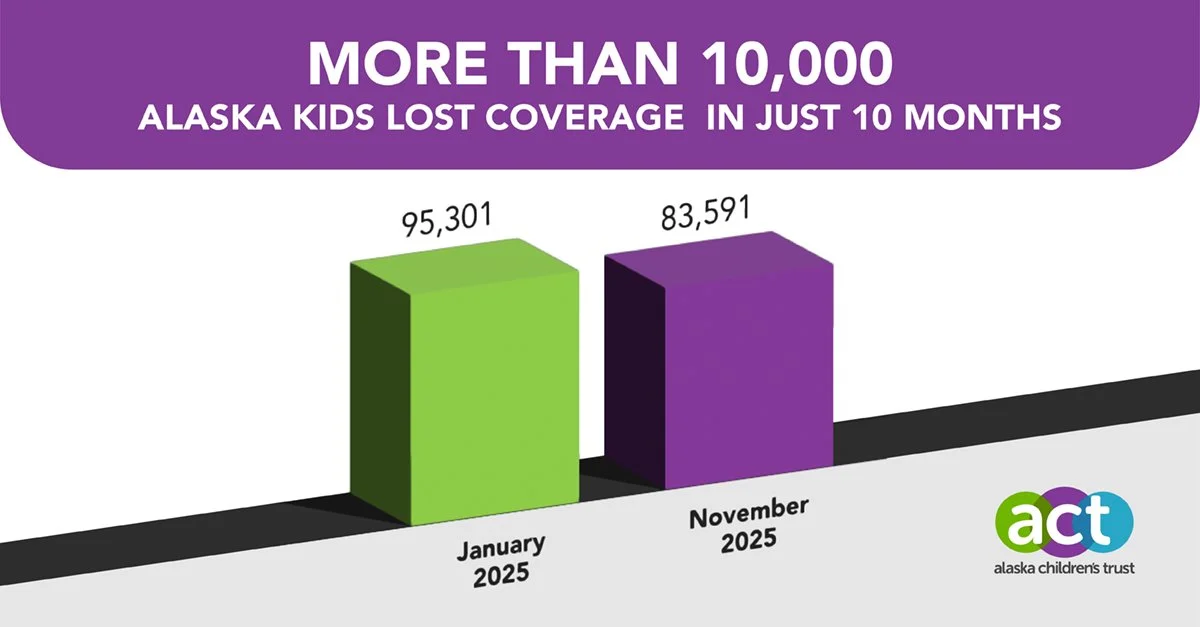
That’s why the recent trend in enrollment is so alarming. Between January and November 2025, overall Medicaid enrollment in Alaska dropped by nearly 30,000 individuals. Children’s coverage fell by 10 percent. Most of these children didn’t lose coverage because they became ineligible. They lost it because of paperwork. Renewal packets didn’t reach families, and verification requests went unanswered, and under current rules, that’s enough to end a child’s coverage.
When Medicaid works well, it ensures that babies are born healthy, children receive early care, and families can access the support they need without falling into crisis. It also helps sustain the clinics and hospitals that communities rely on. These are the building blocks of strong, resilient communities and the foundation on which thriving families are built.
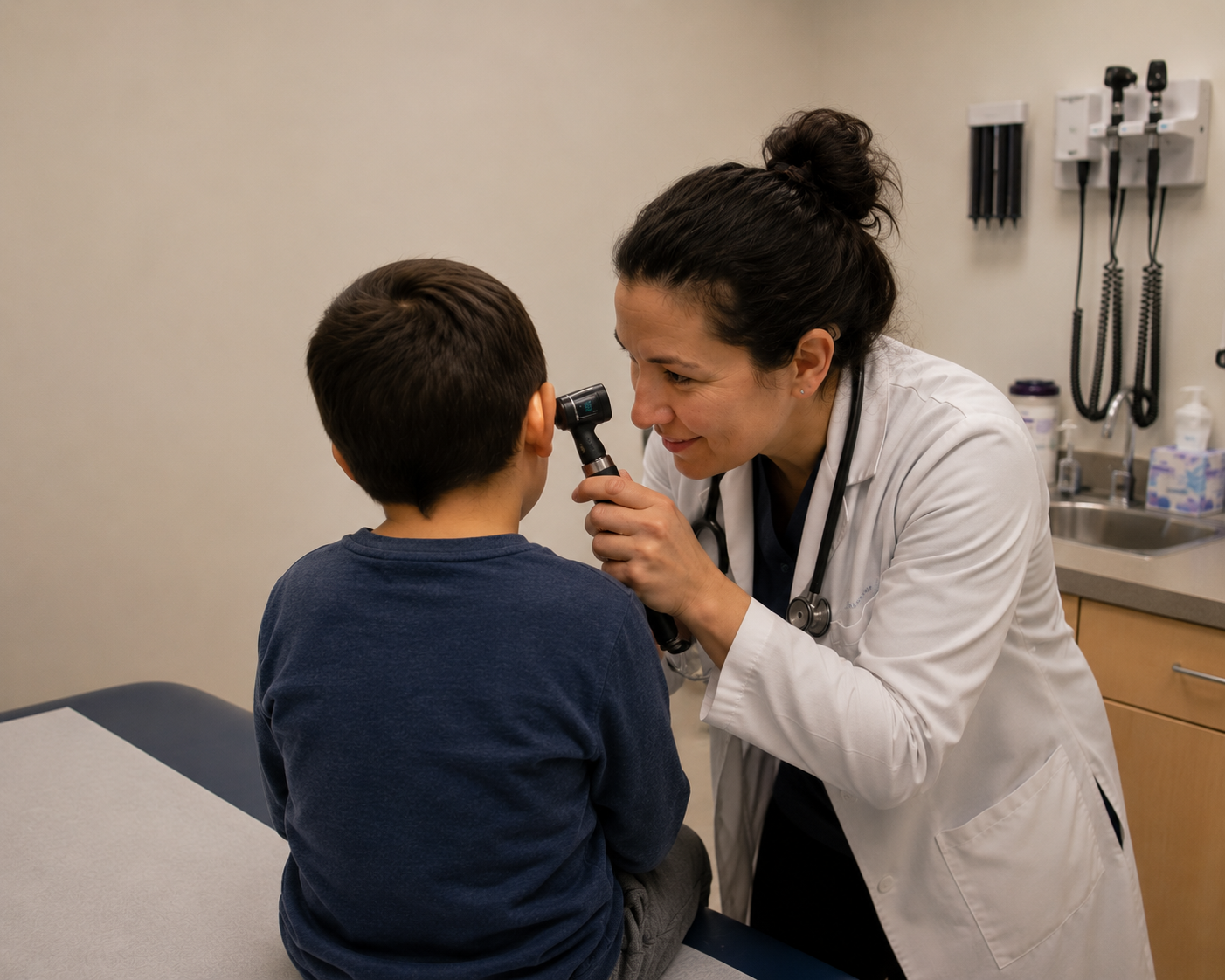
It’s also important to recognize the challenges families and providers are facing. Across Alaska, many are navigating a system that is becoming harder to access. Increased paperwork, additional administrative steps, and shifting eligibility requirements may seem like small changes, but for families already balancing work, childcare, and transportation challenges, they can be the difference between getting care and going without it.
When access becomes more complicated, children are often the first to feel the impact. We see it when families delay care. We see it when providers reduce services. We see it when parents are forced to make impossible trade-offs. When coverage lapses, children are more likely to miss preventive care and immunizations, go without mental health support, and have chronic conditions that go unmanaged. Those gaps don’t just affect health - they surface later as more school absences, behavioral challenges, and higher costs across health, education, and social services.
At Alaska Children’s Trust, our focus has always been simple: prevent harm before it happens and ensure every child has the opportunity to thrive. That means investing in the conditions that keep families stable in the first place. Health care access is one of those conditions. It is not just a line item in a budget. It is part of the broader ecosystem that supports safe homes, strong families, and healthy childhoods.
Alaska can and must do better. That means partnering with schools, clinics, food banks, and child care providers to help families re-enroll. It means raising income eligibility limits for kids, expanding Medicaid services available through schools, and allowing children to be enrolled immediately while eligibility is verified. It means giving caregivers flexibility so that administrative requirements don’t become another barrier standing between a child and their health care. It means raising awareness of a program that supports the health of 41% of Alaska’s children.
We encourage Alaskans to take a moment to learn how Medicaid supports families in our own communities, to listen to the experiences of parents and providers, and to stay engaged in conversations about how we can keep Alaska’s children healthy and supported.
Take the opportunity to stay grounded in what matters most: keeping kids healthy, supporting families, and ensuring that where you live in Alaska doesn’t determine whether you can access care.
When Alaska’s children are healthy, our communities are stronger for it.
Trevor Storrs is President and CEO of the Alaska Children’s Trust, a statewide organization dedicated to preventing child abuse and neglect, and has spent more than two decades working in partnership with nonprofits to advance policies that support child safety.