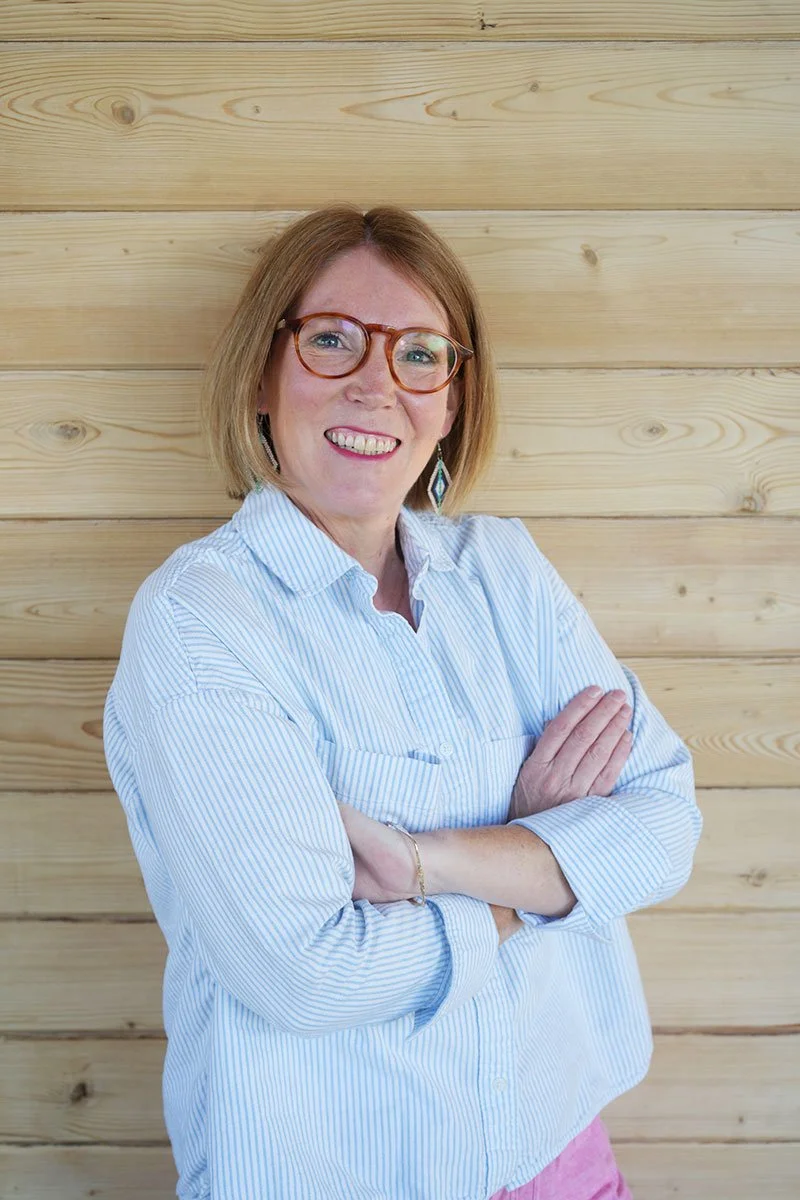
Addy Peters is the director of prevention strategies of Alaska Children’s Trust
Organizations across Alaska have recently completed grant reporting for Positive Indigenous Parenting, and we’re so proud of the tremendous work that has been accomplished across the state.
Positive Indigenous Parenting (PIP) is a culturally grounded parenting program developed by the National Indian Child Welfare Association and adapted for Alaska Native communities to support parents in raising children in safe, nurturing, and culturally meaningful environments.
Over the past several years, ACT grants have supported organizations statewide in delivering the PIP curriculum within their communities. These grants have also supported organizations in adapting and refining the curriculum so that it is rooted in local culture, traditions, community strengths, and community needs.
Two of the strongest themes to emerge from this most recent round of continuation grants are partnership and sustainability. Several grantees reported that offering the PIP program strengthened collaboration with local and regional tribal services, behavioral health providers, and youth and family support programs. Nearly every organization plans to continue offering PIP beyond the grant period and has found creative ways to integrate the program into existing services.
The Alaska Center for Resource Families has gone a step further by making the PIP program available online at no cost. You can view any of the lessons here. https://acrf.org/training/positive-indigenous-parenting/ Even better, foster parents and kinship caregivers can earn training credit toward their license by completing the online PIP classes.
In Fairbanks, the Resource Center for Parents and Children opened its Zoom-based trainings to participants statewide. Parents, grandparents, and caregivers from Kotzebue, Unalakleet, Anchorage, Nulato, Kotlik, Dillingham, Sitka, Ketchikan, Homer, Grayling, Kaltag, Kenai, Kasilof, Huslia, Wasilla, Noorvik, Copper Center, Metlakatla, and Fort Yukon registered for the classes.
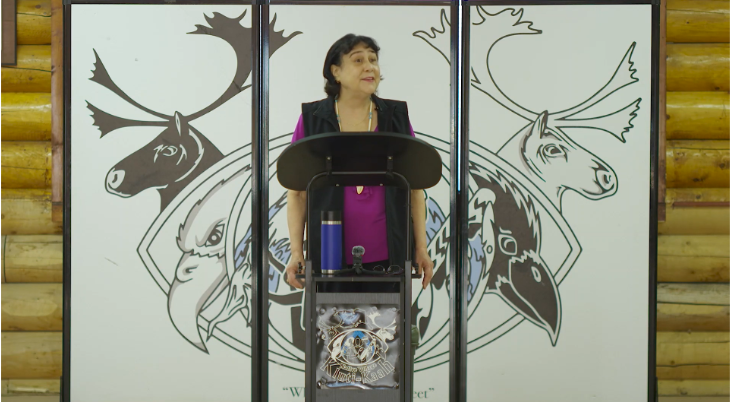
Michelle LeBlanc of Copper River Association teaching the “Lessons of the Storyteller” module from the PIP curriculum
From Dot Lake to Juneau, and from Copper River to Dillingham, participating organizations shared the impact PIP has had in their communities:
"We are immensely proud of the parents who completed the course, particularly those with open OCS cases and those at risk of OCS involvement."
"We saw some really important breakthroughs with a couple of these families that happened as a result of reflecting on their own childhoods and thinking about how they want to move forward in their parenting."
"It has been my greatest honor and pleasure to offer the Positive Indigenous Parenting curriculum and serve as one of the facilitators. As we continue to expand our cultural education and activities program, which includes PIP, we hope to grow the number of participants."
Parents, grandparents, and caregivers also shared what PIP meant to them:
"I am happy to have been part of your class. My daughter and I have been bonding more since, and it feels special to be with her."
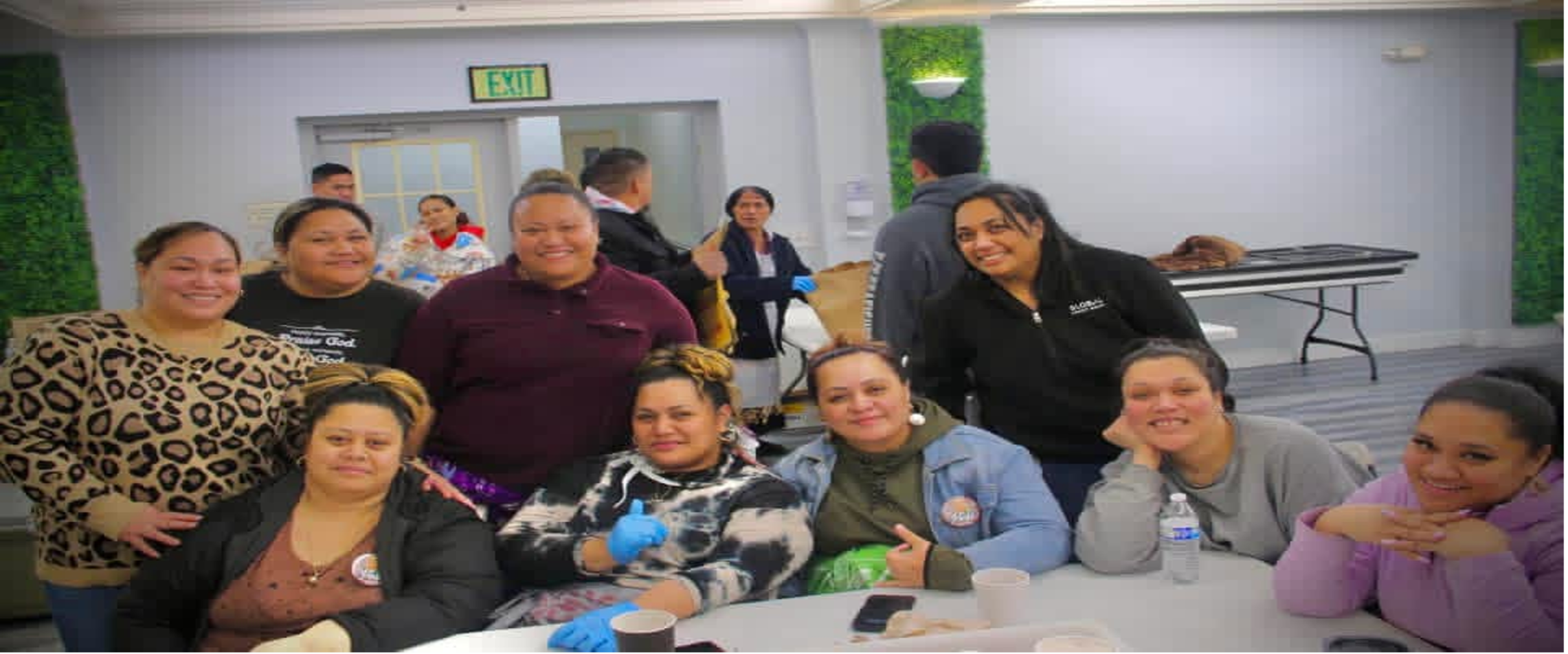
Participants in the Polynesian Association of Alaska’s adaptation of the PIP program
"Having a calm and supportive space to consider factors that can sometimes make parenting feel overwhelming for a single Indigenous mother helped me reground myself, renew my determination, and connect with others."
"The program reaffirmed my belief that it's not good for a child to be raised isolated from community, family, and culture."
"I liked learning more about the lessons that I can pass on and share with my grandchildren."
"Amazing class, amazing program, amazing people."
These grants reflect what we aim for in all of our work: partnerships that last and programs communities carry forward as their own.